
The International Adventure Racing Association (IARA) has proposed a voluntary, unified International Race Classification System to be adopted globally starting in 2026. This proposal was accepted by Members at the 2025 AGM held on Wednesday, 21 January 2026. The proposed race categories can be adopted by countries and race directors with immediate effect.
This system addresses the current lack of consistency in race descriptions around the world. By standardising technical definitions, we create a clear pathway for new participants to enter the sport and progress, while allowing experienced athletes to easily identify race formats suited to their goals.
Core Philosophy: This system captures the parameters of a race. It does not dictate the content. Race organisations retain full creative freedom over course design, terrain, and branding.
Download the International Race Classification System proposal PDF (Dec 2025)
The Four Classifications
The system simplifies the sport into four distinct categories based on duration and discipline count.

Important Note: While these categories provide a hierarchy of duration, they do not restrict participation. ‘Discovery’ races are technically accessible to beginners but serve equally as high-intensity ‘sprint’ events for elite racers.
Downloads
Download a zip file with all badges in .png and .svg formats. DOWNLOAD ZIP FILE

I. Discovery Races
Duration: 1.5 to 5 hours.
Format: Solo, 2s, 3s, 4s
Disciplines: Minimum of two + navigation.
Role in the Ecosystem:
For Novices: The entry point. Low barrier to entry; learning map reading and transitions.
For Experienced Racers: A venue for high-speed intensity training, navigation drills at race pace, or mentorship (racing with family/juniors).
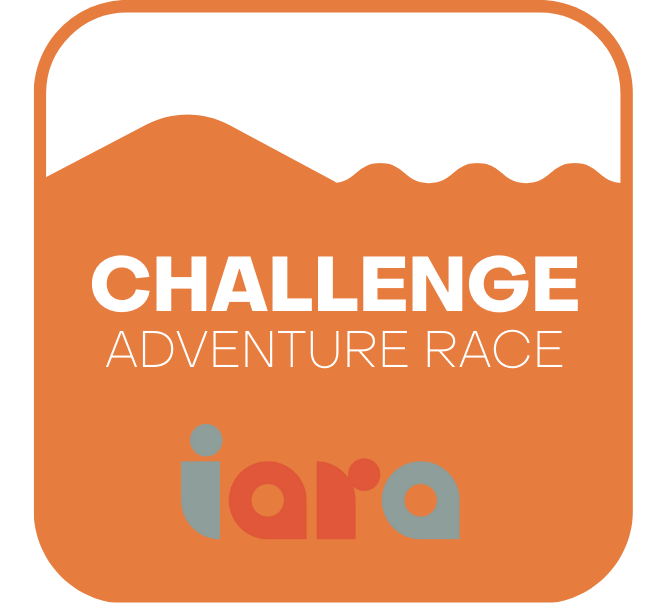
II. Challenge Races
Duration: 5 to 12 hours.
Format: Solo, 2s, 3s, 4s
Disciplines: Minimum of three + navigation.
Role in the Ecosystem: The “Step Up”. Increases physical endurance requirements and logistics without requiring overnight gear or sleep deprivation strategies.

III. Endurance Races
Duration: 12 to 48 hours.
Format: Solo, 2s, 3s, 4s
Disciplines: Minimum of three + navigation.
Role in the Ecosystem: The introduction to overnight racing. Focus shifts to sleep management, night navigation, and endurance consistency.

IV. Expedition Races
Duration: 48 hours up to 10 days.
Format: Solo, 2s, 3s, 4s
Disciplines: Broad mix requiring full outdoor competency.
Role in the Ecosystem: The pinnacle format. Requires high levels of fitness, self-reliance, and technical skills for multi-day, non-stop travel.
Note: Although we acknowledge the preference in some countries, at specific events, to allow solo entrants, the core of adventure racing is that it is a team sport.
Implementation
Race organisations can add the corresponding badge to their race website and information with a link to this page on the IARA website for more information on the classifications.

Implementation Strategy: The Badge System
To preserve the unique culture of Adventure Racing, IARA does NOT require races to change their names. Instead, we propose a Standardised Information Badge.
A. The Mechanism
Creative Freedom: A race organisation keeps their unique branding (e.g. ‘The Granite Grinder 8hr Adventure Race’).
The Badge: The race Organisation places the appropriate IARA Classification Badge (e.g. Challenge Race) on the event header or registration page.
The Link: The badge links to the IARA website, where the standardised definition (duration / disciplines) is explained.
B. Visual Design & Iconography
The badge design is intentional, using visual cues to communicate difficulty across language barriers and utilising the IARA branding palette to support that progression. Discovery utilises Green, signaling an accessible starting point, while colours darken and intensify as the categories progress to Challenge and Endurance, reflecting the increased commitment required.
The graphic elements at the top of each badge (‘hills & elevation’) reinforce the physical demand. As the categories advance, the imagery evolves from simple terrain to higher mountains and more complex features, visually representing difficulty.
Background & Development Process
This proposal was data-driven and collaborative, developed over an 8-month period in 2025.
The task group analysed survey responses from 17 countries to understand existing local categorisations. Initially six categories, feedback recommended simplifying to four with the Task Group (representing Ireland, UK, Spain, USA, and Uruguay) finalised this proposal in December 2025.
The IARA system aligns with successful structures in other global endurance sports.
In these examples, standardised labels define the format, not the competitor, allowing elites and beginners to exist within the same event framework.
A. Triathlon (World Triathlon)
Triathlon uses standardised distance labels (Sprint, Olympic, Long Distance/Ironman). A “Sprint Triathlon” is the entry point for beginners, but it is also a contested professional format raced at ferocious speeds by Olympians. The label describes the distance, not the skill level.
B. Trail Running (ITRA)
ITRA classifies races by “km-effort” (e.g., XXS to XXL). This supports the distinction between Discovery and Expedition. A “Vertical Kilometer” (Category XXS) is short but physically devastating and attracts specialists. It validates short-duration events as their own legitimate discipline.
C. Mountain Biking (UCI)
Events are defined by technical format (Cross-Country Olympic vs. Marathon vs. Downhill). This mirrors the difference between Challenge and Endurance. Riders choose the event based on the experience they want (speed/laps vs. long-distance endurance).
Call to Action
It is the hope that all National Federations, Race Organisations, and Promoters adopt and use the new classification titles for the 2026 season. Display the Classification Badge in race descriptions, promotional materials, and national calendars.